EPA 2027 engines vs. 2026: how to quote your next tractor
What the EPA's July 2026 proposal changed for 2027 diesel engines, and the steps to compare a 2026 and a 2027 engine quote side by side.
By Manpreet Singh October 24, 2026 4 min read
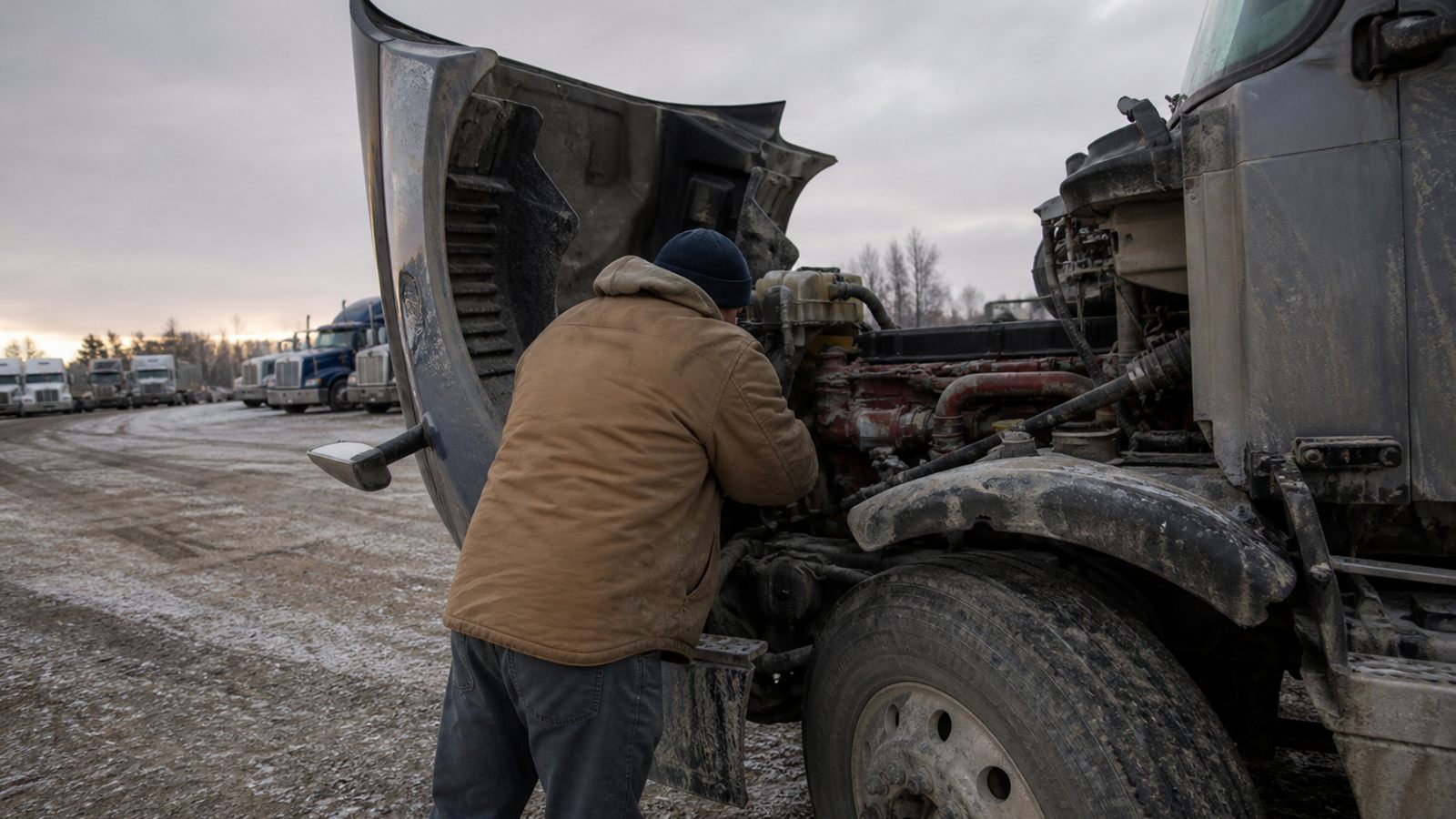
Model year 2027 heavy-duty diesel engines are due in January 2027. Under the EPA standard they're built to, the NOx limit drops from 0.20 grams per brake horsepower-hour to 0.035, according to FleetOwner's summary of the rule. If your tractor is due to go somewhere between now and spring 2028, you're picking between an engine you know and one built to the new number. Since the 2023 version of the rule a fair bit has moved, and that changes the math on both sides.
Canada's federal engine emission rules have tracked the EPA's for years, which is why Canadian dealers talk about EPA27 and not a separate Canadian date. Environment and Climate Change Canada makes its own amendments, though, and we couldn't find a published notice on how it will handle the 2026 US changes described below. Ask the dealer to confirm what the engine is certified to for sale in Canada.
What the EPA changed in 2026
On July 14, 2026 the EPA published proposed amendments in the Federal Register. It keeps the 0.035 limit and the new low-load test cycles, which is why 2027 aftertreatment still carries heating hardware. What goes, if the proposal is finalized, is the long emissions warranty. Under the original rule it would have stretched to 450,000 miles (about 724,000 km); the proposal keeps the 2026 requirement of 100,000 miles or five years. It also pushes the longer useful-life requirement from model year 2027 to 2030. FleetOwner reports the EPA's own estimate that the warranty extension would have made up half of the 2027 price increase.
Then there are nonconformance penalties. A manufacturer can keep selling diesel engines certified above 0.035 but under the old 0.200 limit, as Rush Truck Centers explains, by paying a fee per engine. Proposed fees run from about US$1,000 for an engine close to the new limit to just under US$7,000 for one at the 2026 limit. Comments closed August 29, 2026, and FleetOwner expected the final rule to take effect before 2027. We couldn't confirm a final rule as of October 24, 2026, so check its status when you start shopping.
Most manufacturers are on track, the EPA says. It added the penalties because, in the agency's words quoted by FleetOwner, a few engine families are "at risk of not being completed in time for a January 2027 introduction." So 2027 lots may hold both kinds of engine. Ian MacDonald of Hexagon Agility told Truck News on October 19, 2026 that fleets had been trying to lock in current-emissions trucks before the pricier engines arrive, and that the penalty option has eased some of that pressure. With a timeline 12 to 18 months out, you probably don't need to rush into a truck before December.
Working through the two quotes
Before you call anyone, pull the last 12 months of repair invoices on your current truck and write down any big work you know is coming, like an overhaul or a DPF or SCR job. Then:
- Set the date the old truck has to go, not the date you'd like it gone. A big repair bill landing in March may decide things before the emissions question does.
- Quote a truck with a 2026-certified engine. Ask whether it's a 2026 build or a 2027 build sold under a penalty, and whether the penalty is in the price. Whoever builds the engine pays the fee; how much of it reaches your invoice is between the manufacturer and the dealer.
- Quote the same spec with a fully 2027-compliant engine. If the proposal goes through, both trucks carry the same minimum emissions warranty of 100,000 miles or five years, so make sure the price gap isn't paying for coverage that no longer comes with it. Get a price on extended coverage for each.
- Compare maintenance. Your current engine has years of shop history and techs who've seen it fail. A first-year engine has none of that yet, plus the added aftertreatment heating parts. Ask for the service intervals and the parts list on the aftertreatment for both.
- Check the DEF derate. Under the proposal, new engines would drop derates in favour of warning lights and sounds, and FleetOwner reports the EPA is considering guidance that would let manufacturers modify engines already on the road. That would take one of the daily headaches out of the current engine.
- Think about resale. Nobody can quote it. Waiting has one argument going for it: a 2027-certified engine meets the newer standard when you sell it in five or six years. Against that, with the warranty and useful-life extensions pulled back, a 2027 truck is less different from a 2026 one than it looked in 2023.
- Run fuel. For anyone in Quebec or Alberta, where natural gas fuelling exists, MacDonald told Truck News the Cummins X15N natural gas engine is expected to meet the 0.035 standard. Get that quote too, against your own kilometres and lanes.
Timing the purchase also affects your taxes, so check with your accountant or the CRA before you sign.
When the quotes come in, open the hood on each truck and read the emission control label on the engine. Nothing says the engine's model year has to match the one on the cab card, and the next buyer will read the engine label too.
About the author
Manpreet Singh
Works with small trucking fleets at ZyloFuel, a Canadian fuel card company for owner-operators and fleets of up to twenty trucks.