Swapping a truck: plates, cab card, IFTA decals, CVOR, insurance
The order to handle insurance, the IRP supplement, IFTA decals and CVOR when one truck leaves an Ontario fleet and another comes in.
By Manpreet Singh October 24, 2026 3 min read
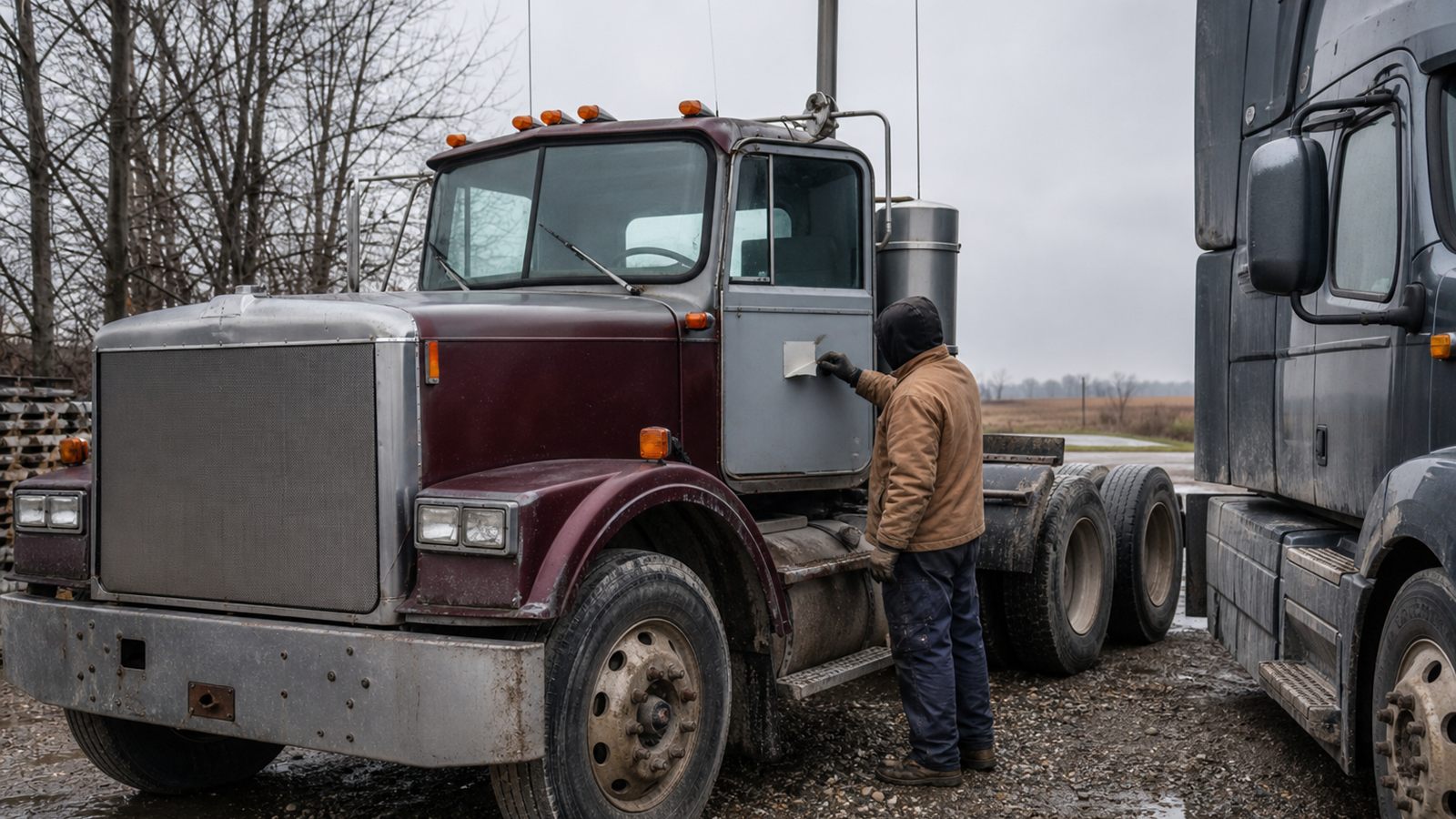
The new tractor is ready for pickup Thursday and the old one has a buyer lined up for the week after, so what gets filed first?
This list is for an Ontario-based IRP fleet putting one power unit in place of another. The order matters because each office wants something from the step before it.
- Call your broker before you pick the truck up. Add the new unit by VIN and get its liability slip in hand. Ontario's IRP Carrier Manual says a licence or permit can't be issued without proof of valid insurance. Leave the old unit on the policy for now.
- Pull the new truck's papers together: the bill of sale or lease showing capital cost and purchase date, the vehicle permit, and a safety standards certificate where Ontario law requires one. The IRP manual asks for all of these. Form 4 also has a box for the Ontario taxable amount when ownership changes hands; how sales tax applies to your purchase is a question for your accountant or the CRA.
- File one IRP supplement that deletes the old unit and adds the new one. Code the old truck AXF and the new one AXT, which are the codes for moving plates from one vehicle to another, and put them on the same supplement so the old truck's fees are credited to the new one. Send the plate portion of the old permit and the vehicle portion of the new one. If you cancel the old unit by itself under DEV, its plates go back to the IRP office. Unused Ontario credit is refunded or stored; the manual warns US jurisdictions generally don't refund.
- Put the new cab card in the new truck before it moves, and take the old card out of the old truck. The manual says the cab card has to be carried in the vehicle it describes. A legible photocopy is accepted. If the truck has to run before the supplement is processed, it needs a trip permit in place of plates and cab card.
- Order IFTA decals for the new truck. The Ontario Ministry of Finance carrier manual says you cannot transfer decals between vehicles. A set is $10, ordered on the Request for Additional Decals form through ONT-TAXS, at the Tax Information Centre in Oshawa, or by mail. Put a copy of the IFTA licence in the cab, and take the decals off the old unit before the buyer drives it away.
- Update your CVOR within 15 days. MTO's self-service portal takes vehicle and insurance changes. If both trucks end up plated at the same time for a few weeks, report the extra unit and then its removal. A copy of the CVOR certificate goes in every vehicle, the new one included.
- Move the fuel card. If your cards are tied to a truck, as ZyloFuel's are, order one for the new unit and cancel the old truck's card the day it's parked.
- Close out the old truck's records. Write down its last odometer reading and the date it left the fleet, and file its last fuel receipts and trip records with the quarter they belong to, since its kilometres and litres up to that day still go on that quarter's IFTA return. They also count toward the actual distance MTO asks for at your next CVOR renewal. The IRP manual says to keep a deleted vehicle's cost and weight records for three years after it leaves the fleet, and distance records for five years plus the current registration year.
- Then take the old truck off the insurance.
A swap between now and the end of December runs into renewals. Ontario IFTA decals issued for 2026 expire December 31, so make sure the decal count on your 2027 renewal covers the new truck. If your IRP fleet is up for renewal, the application is generated about six weeks before expiry, and supplements filed after that won't show on it.
The IRP manual Ontario has posted is dated February 2024, and some of what it sends you to an IRP office for may have moved onto the PRIO online system since. How long a supplement takes to come back isn't written down anywhere we could find, so email irp@ontario.ca before you book the pickup.
About the author
Manpreet Singh
Works with small trucking fleets at ZyloFuel, a Canadian fuel card company for owner-operators and fleets of up to twenty trucks.