Hauling Amazon Relay loads into the US from Canada: what you need
What a Canadian carrier needs before taking US Relay loads: USDOT and MC authority, insurance, IRP and IFTA, eManifest, and the 180-day question.
By Manpreet Singh October 26, 2026 3 min read
Amazon Relay's US carrier requirements ask for a USDOT number with interstate authority that has been active for at least 180 days, though you can apply before you reach that mark. The Relay Canada FAQ asks for the same US credentials on cross-border loads and doesn't mention the 180 days, and neither page says whether the wait applies to a Canadian carrier or which date it counts from.
Approval for Canadian domestic loads doesn't make you eligible for cross-border work. Inside Canada the FAQ asks for an active NSC number plus the insurance and operating requirements on that page. Cross-border loads add a USDOT number with interstate authority, a valid MC number, an FMCSA record showing a "Carrier" entity authorized for property and for hire, and a safety rating of Satisfactory, None or Not Rated. On the US side, Relay sets its BASIC score limits 5% below the federal thresholds. Before you apply, look your company up on FMCSA's Company Snapshot to see which USDOT number and status, if any, are on file.
A for-hire carrier hauling across state lines needs operating authority from FMCSA as well as a USDOT number. First-time applicants register through the Unified Registration System, name a process agent on a BOC-3 and have their insurer file proof of liability coverage. The authority goes active once the protest period has passed and those filings are on your record, and FMCSA's way to check that it has been granted is to search your MC or USDOT number on its Licensing and Insurance site before you book anything.
The Canadian FAQ lists its insurance minimums in Canadian dollars: commercial general liability of $1,000,000 per occurrence and $2,000,000 aggregate, auto liability of $1,000,000 per occurrence with $50,000 trailer replacement, $150,000 cargo, employer liability of $100,000 per occurrence, and workers' compensation wherever you operate (plus CNESST registration if you run in Quebec). It says Relay rules on a completed application within 2 to 4 business days, and that delays come from checking insurance. Ask your broker whether your policies cover the cross-border work and not only your Canadian lanes.
Under the IRP's Full Reciprocity Plan, approved in 2013, an apportioned truck is registered in every member jurisdiction and cab cards now show all of them, so a truck already apportioned is covered in the US IRP states up to the weights on its cab card. Expect the renewal bill to shift, because each jurisdiction's share follows your distance there. A truck on ordinary provincial plates needs apportioned registration or a trip permit before it crosses. Your IFTA licence covers the US member states as well, so US kilometres and fuel go on the same quarterly return; for how your filings change, check with your accountant or your base province's IFTA office.
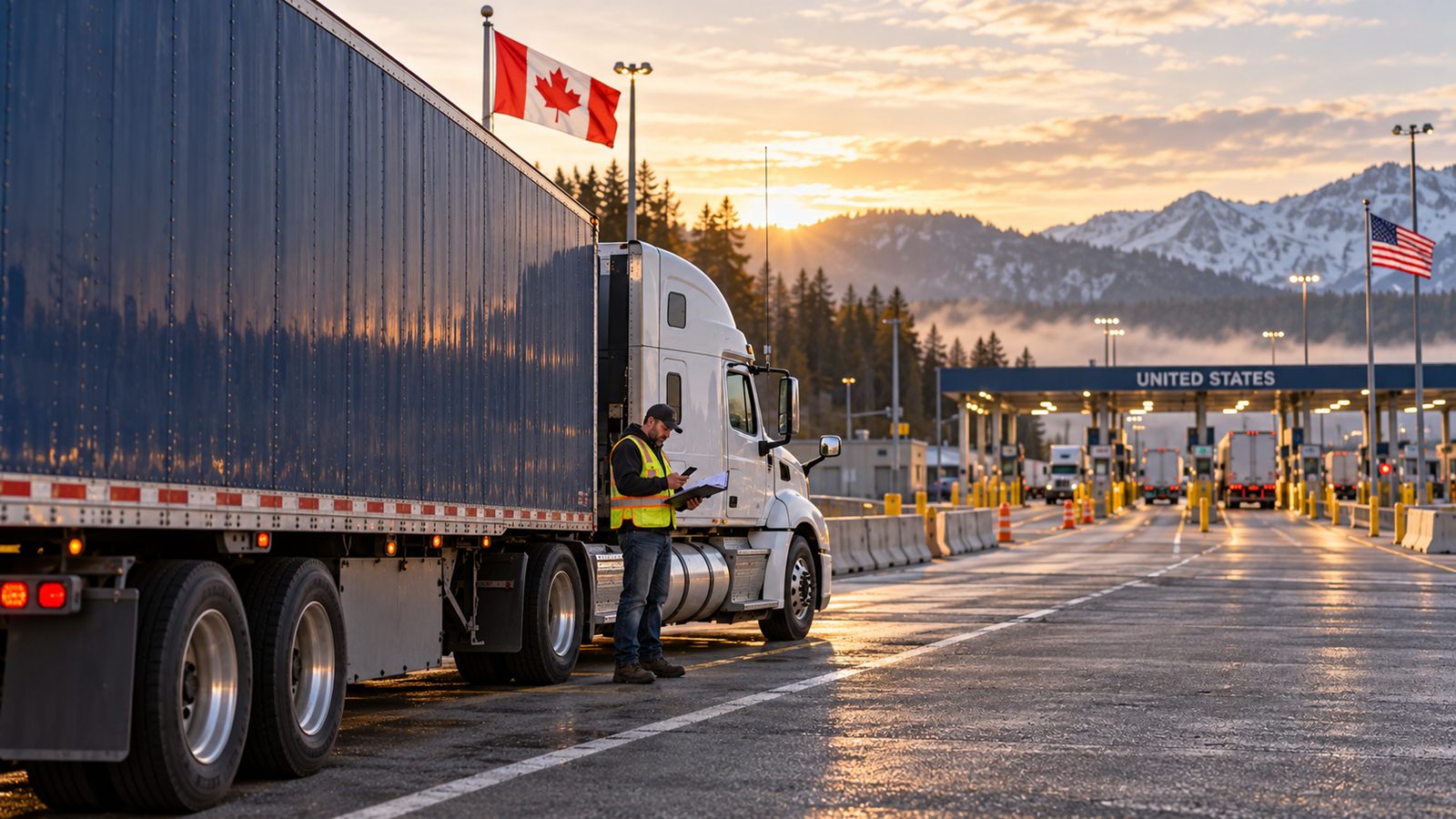
Southbound, 19 CFR 123.92 requires CBP to receive electronic cargo information 30 minutes or one hour before the truck reaches the first US port, depending on the system used. In practice that's one hour for most ACE eManifests and 30 minutes for FAST, and BorderConnect notes you need a SCAC and either an ACE portal account or a service provider to file. Northbound, the CBSA needs cargo and conveyance data received and validated no later than one hour before arrival.
A CBP San Diego field office bulletin says drivers entering as B-1 business visitors can't top up an international load with domestic point-to-point shipments, so plan on Relay loads that cross the border.
Confirm with Relay first. Whether the 180 days apply to a Canadian cross-border application, and which date they count from, tells you how far ahead of your first load the FMCSA filing has to start.
About the author
Manpreet Singh
Works with small trucking fleets at ZyloFuel, a Canadian fuel card company for owner-operators and fleets of up to twenty trucks.